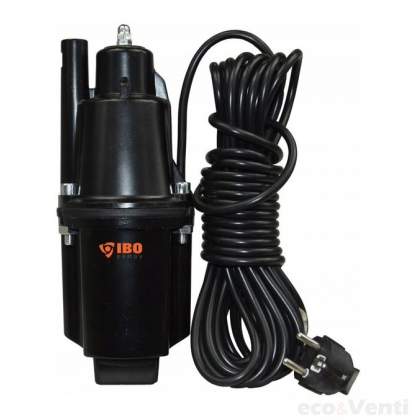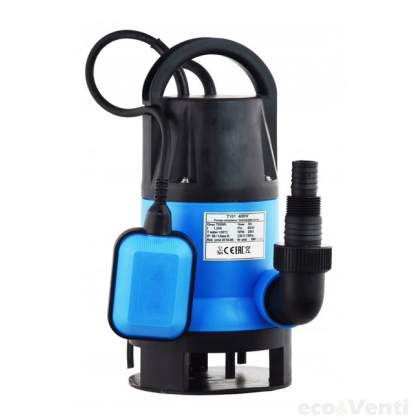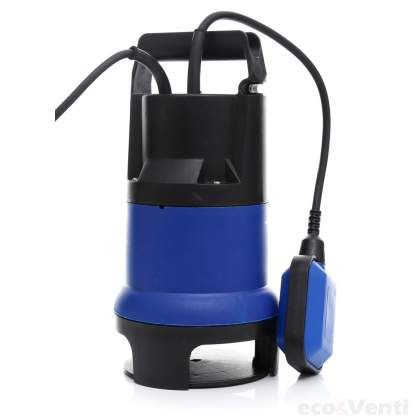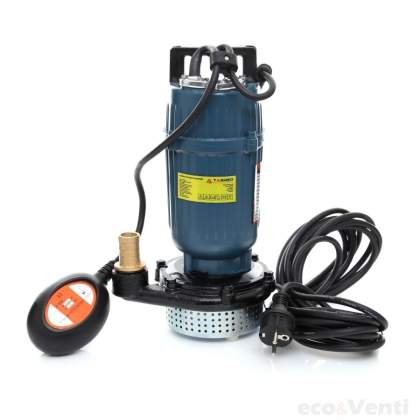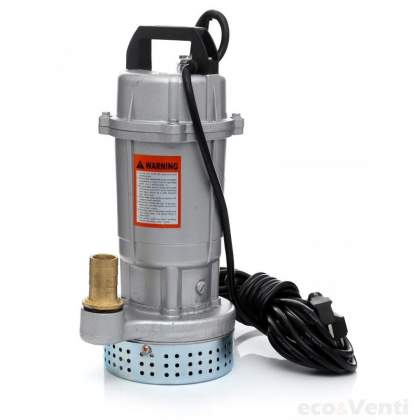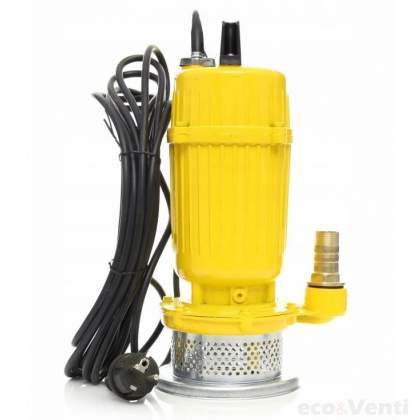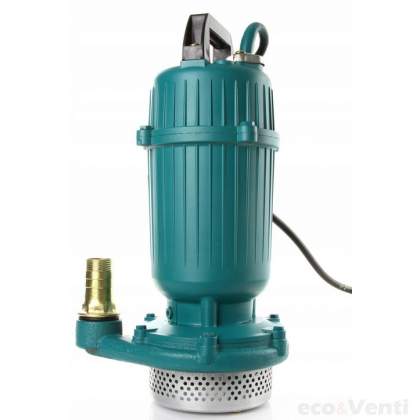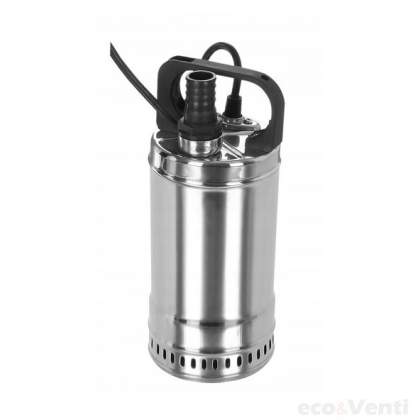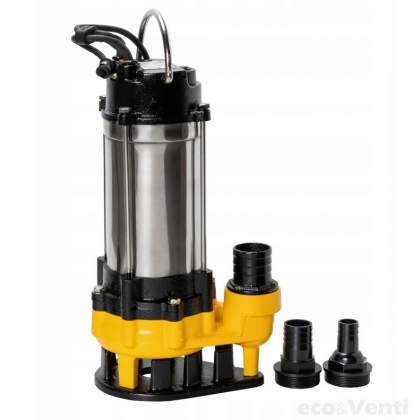

Submersible pumps are designed for use in immersion tanks and chambers flooded with liquid water. Depending on the implementation of structural and material can be used for pumping clean water, contaminated, municipal and industrial wastewater. In practice, in addition to emergency pumping of a flooded premises, they are also used for continuous pumping of sewage in households or pumping process within facilities.
Operation and Safety
To ensure trouble-free pump operation, do not exceed the permissible fluid temperature or minimum submergence. Regularly clean the impeller chamber and inspect the condition of the mechanical seal and pipe insulation.
Click here for more ...
Main types of submersible pumps:
- dewatering pumps are designed to operate in difficult environments: fine gravel, silt, sand, sludge. A robust housing, a stabilizing base, and easy access to the suction strainer are essential. If the discharge line is long, pay attention to the diameter selection – too small a diameter dramatically increases losses and reduces pump efficiency.
- septic tank pumps with grinders solve the problem of fibrous debris and other elements that could block flow. The grinder assembly grinds waste material before the impeller, enabling stable pumping of dirty water even over longer distances. This is the primary choice when the sewage disposal system has limited diameters or an unusual route.
- water and septic pumps are a colloquial term for pumps that handle various media from one tank : rainwater, contaminated water, and sewage.
- rainwater pumps are used for garden watering, cleaning surfaces, and maintenance. Although we're talking about relatively clean water, small impurities (leaves, dust) appear in the tanks, so pre-filtration is necessary. Infiltration and retention systems require stable flow parameters and energy efficiency. Systems with pressure automation and a diaphragm tank perform well. Proper power selection reduces operating costs.
- floor drying pumps are designed for low suction and allow for the collection of a thin layer of water (so-called "mop-like"). They are effective after flooding, in halls, and underground garages. It's worth choosing models with quick connectors and a lightweight hose, so the team can react quickly and efficiently remove dirty water after rainfall.
Main parameters for submersible pump:
- Pump Capacity – the minimum required flow rate (m³/h or l/min) resulting from the time it takes to empty the tank or the water inflow rate.
- Maximum Head – Hmax should be within the installation requirements; remember linear losses (length, diameter, roughness) and local losses (elbows, valves).
- Pumping Capacity at the Operating Point – check the manufacturer's curve; don't rely on extreme values.
- Device Power – underestimation leads to overheating and reduced service life, while overestimation leads to unnecessary energy costs. Water head parameters – consider the geometric height, level differences, and the water level in the sump.
Main tips for proper using submersible pump:
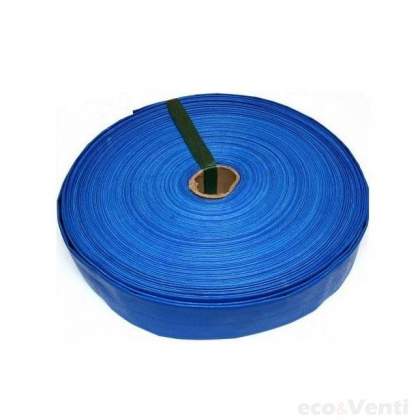
- In practice: if you plan to pump dirty water several dozen meters through a thin PE pipe, consider higher losses – consider a larger diameter or a grinder to maintain a stable flow.
- The base on which the pump is placed should be firm (e.g., with bricks) and a little bit higher than very bottom of the tank. The pump should not be operated on loose or clayey ground to prevent clogging of the pump's suction strainer.
- After each pump run, due to the nature of the pumped medium, which may contain significant amounts of contaminants (sand, sediment, stones), it is recommended to clean and flush the pump. Cleaning the pump will flush out any remaining contaminants from the pump's hydraulic chamber.
- If possible,from time to time run the pump in a clean water tank to flush out any contaminants, which will prevent possible blockage during the next run.
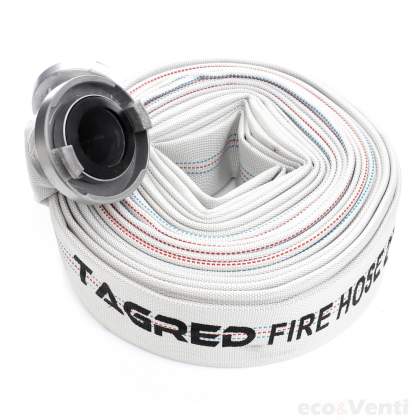
- It is also worth remembering that a significant amount of sediment and sand may remain in the discharge hose. The sediments accumulated in the hose may flow back into the pump chamber after the pump is stopped if there is no check valve behind the pump.
Appropriate pump size selection ->
Selection of the pump type ->
Common troubleshooting: