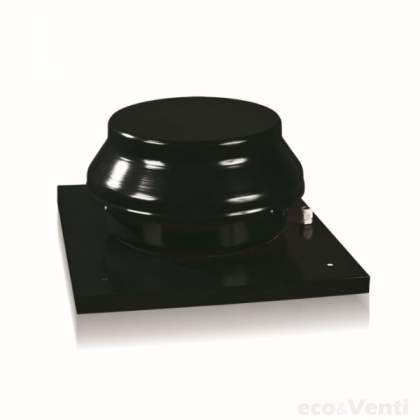

ROOF FANS

Roof Air Distribution Roof fan air distibution system

Roof fans are intended to remove air from industrial halls, warehouses, commercial pavilions, shops, offices, single-family houses which means that the devices were created to ventilate rooms of high capacity. They can be used both in public utility rooms (restaurants, bars), sanitary rooms (warehouses), living apartments, or industrial places.
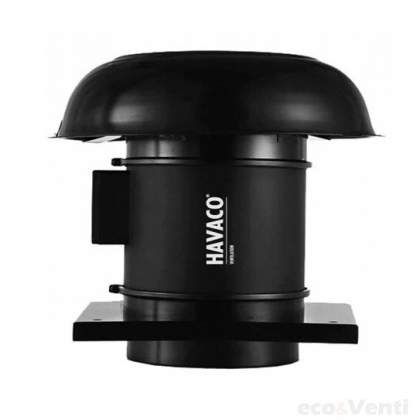
Well ventilated roof helps maintain a healthy climate throughout the rest of the home. This is particularly evident in Summer when the temperature inside the roof cavity can reach up to 70 degrees Celsius. The heat radiates through the house until someone decides to turn up the air conditioner. This might bring the temperature down but it sends the energy costs soaring. Cooling the roof using ventilation keeps the rest of the home cool and reduces the load on the air conditioner.

Ventilation also combats the build up of moisture and prevents mould growth. Moisture can build up in the roof cavity in a few ways. In Winter, warm air might cause condensation when it rises and gets trapped in the roof. It might also come through an exhaust system somewhere in the house.

Click here for more ...How to choose apropriate roof fan for a roofspace?

As a general guide, you should aim for around 10 air changes per hour in the roof cavity. If there is a lot of moisture built up in your roof, you will need a higher air change rate to fix it. It’s important to choose a fan with the right capacity for the job.

The easiest method to calculate a residential roof cavity size is:

Length of Roof x Width of Roof x 1/2 Height of the Roof

This will provide you with a m3 area. You can then multiply this figure by 10. This is our target number of air changes per hour for adequate roofspace ventilation.

In conjunction with an adequately sized fan extracting the warm air it is also necessary to install passive vents to allow fresh air to enter. As a general guide you should try and find vents that cumulatively allow for the same aperture as the extraction fan. Ideally these vents would be in the lowest part of the roof and well spaced out to allow for even intake of fresh air.