
CHIMNEY COWLS

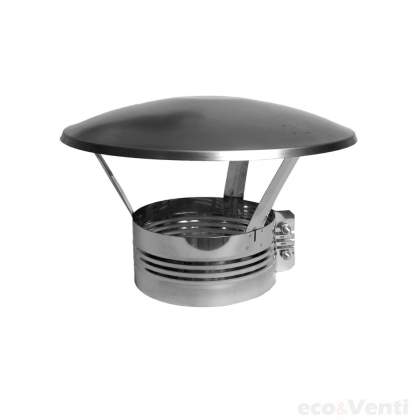
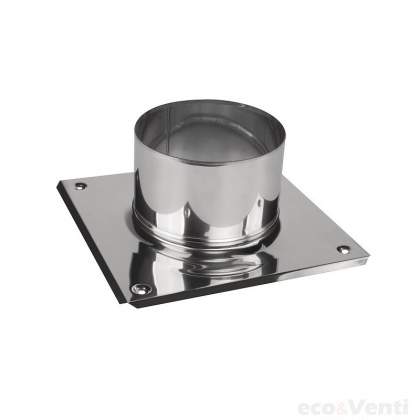
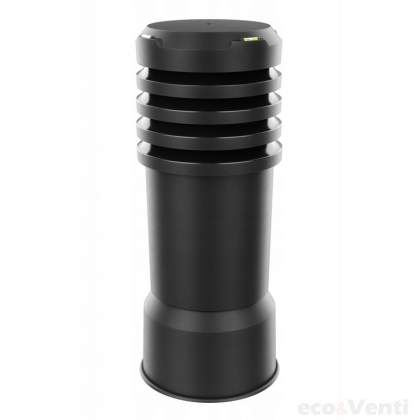
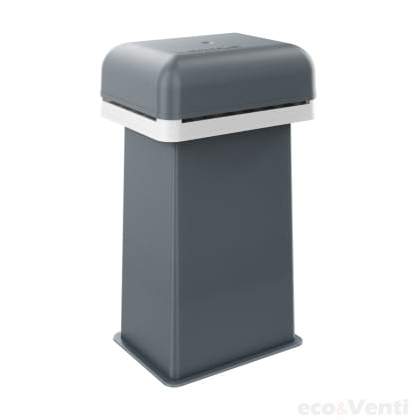
Chimney cowl is a device, which, in a dynamic way, uses force of the wind to increase chimney draught and have different operating principles, purposes and performances. They are mounted on the top of chimney ducts. Their purpose is to prevent the chimney from downwind, rainwater and bird nesting, but most of all they are designed to generate chimney draught using force of the wind.
Chimney cowls types:
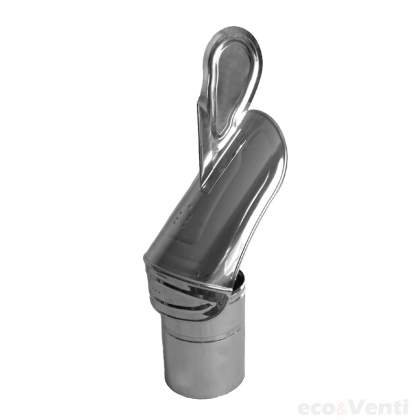
Self-adjusting chimney cowls - are devices, which, in a dynamic way, use force of the wind to increase chimney draught. The cap always places itself in the opposite direction to the wind no matter of its strength or direction. They can be mounted on ventilation ducts (galvanized steel), smoke and gases flue (stainless steel).
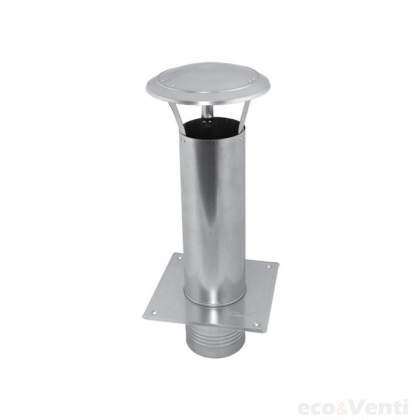
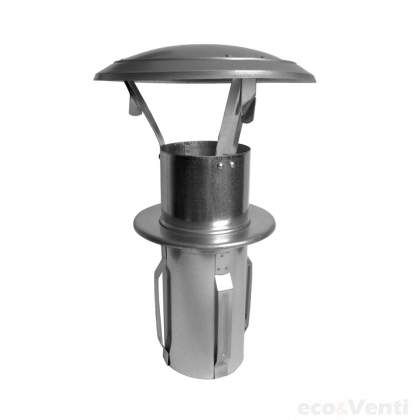
Static cowls - they use the kinetic energy of the wind to generate a vacuum in the chimney. They do not change their position relative to the blowing of air. They are used at the ends of ventilation ducts (galvanized steel) and flue gas/oil (stainless steel).You used them when there is no problem with strong wind or downdraft to cover chimney flue against rain, snow, birds nesting.
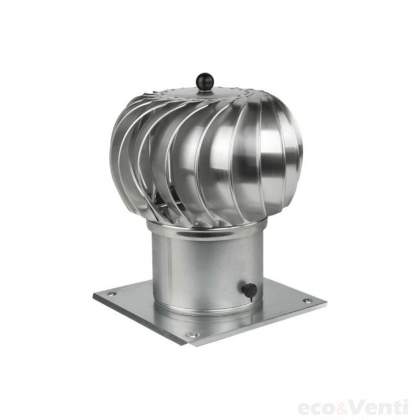
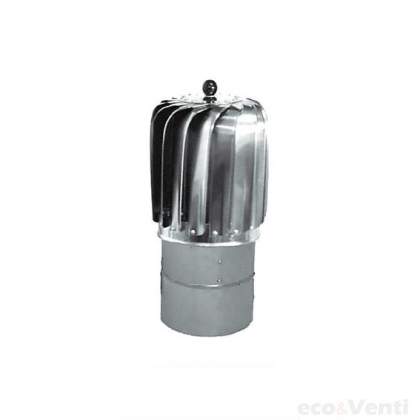
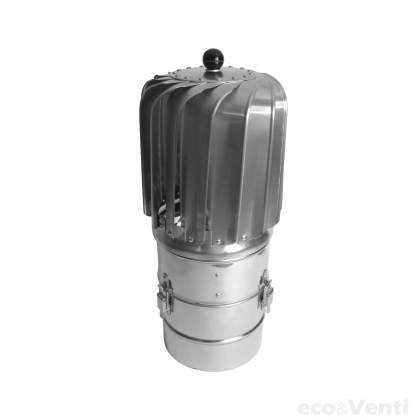
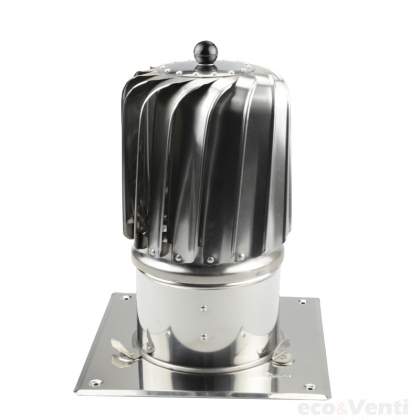
Rotary chimney cowls - are devices, which, in a dynamic way, use force of the wind to increase chimney draught. The turbine always rotates in the same direction no matter of the wind strength or its direction. They are to be mounted on gravitation based ventilation chimney duct endings.Used for improve chimney draught unfavorable terrain configuration, with strong and frequent winds. Mainly for ventilation (galvanized steel) or gas/oil flue (stainless steel / external bearing)
Click here for more ...
What is chimney backdraft ?
Natural chimney draft is the result of the difference in density between the exhaust gases entering the chimney and the air outside the building (because hot exhaust gases are lighter than air, they rise upward). Backdraft occurs when the natural draft in the chimney is insufficient to remove the exhaust gases. The exhaust gases then do not escape to the outside, but flow back into the rooms.
This can result in:
When do you need chimney cowl ?
All chimney cowls require regular inspection, which should include checking the technical condition of the cowl, cleaning, removing deposits, soot, etc. In the case of self-adjusting cowls with bearings requiring lubrication, grease should also be regularly topped up (according to the manufacturer's recommendations). To allow the chimney sweeper free access to the flue, all cowls must be able to open, tilt, or be easily removed.