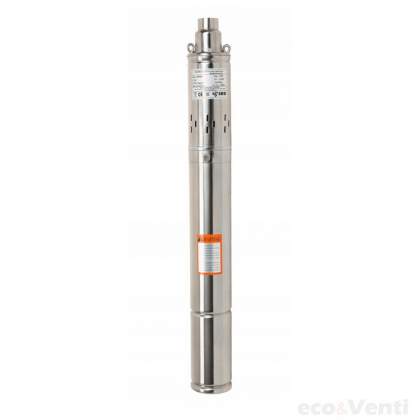

DEEP WELL PUMPS

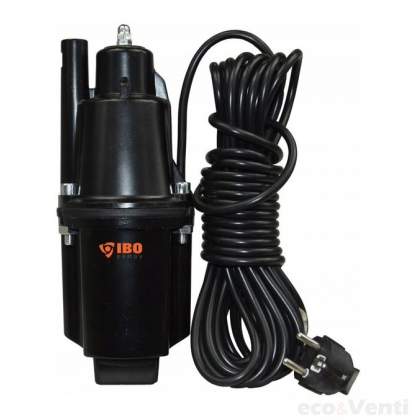
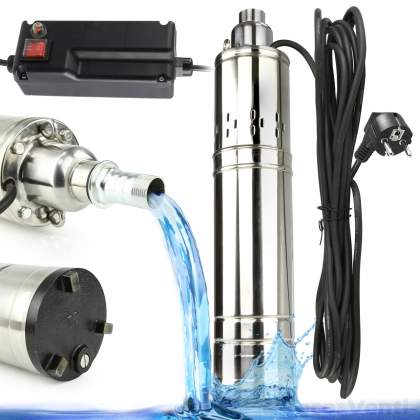
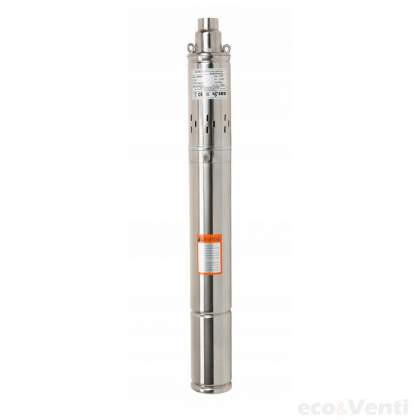
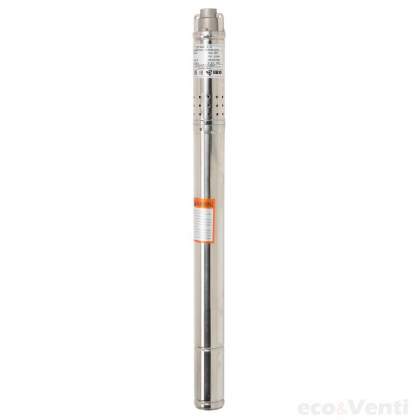
deep well pump example

Submersible pumps are the heart of well water supply systems. They provide water extraction from great depths, quiet operation, and high durability thanks to their submerged installation. In practice, choosing a pump isn't limited to power alone – the submersible pump's parameters, the appropriate well parameters, and the appropriate water and groundwater conditions are also crucial. In domestic and industrial applications, classic deep well pumps, multistage deep well pumps, and monoblock deep well pumps are used, differing in design, operating range, and serviceability. 

Selection and proper installation of a submersible pump is not only a matter of convenience but also of safety. Proper overload protection, fault protection, surge protection, and dry-running protection protect both your investment and your well. Equally important is proper pump cooling, achieved through proper water flow along the housing, as well as proper pump seals and a hermetic power cable connector that protect the drive from moisture. Therefore, reliable deep well pumps are both the equipment and the method of installation.

How to select a submersible pump for a well?

To select the right submersible pump, determine the following parameters: flow requirement, required pressure at the intake points, dynamic surface depth, and discharge head. Remember that the submersible well's capacity must exceed the maximum demand to avoid dry running. Key components include the submersible pump's impeller (its type and number of stages determine its characteristics). If the well has a small diameter, choose a compact unit (submersible pumps designed for narrow holes). When the water contains fractions For permanent installations, choose models with appropriate anti-sand and mechanical protection.

When selecting a drive, consider the appropriate pump power supply (230 V or 400 V), cable length (waterproof cables), and the manufacturer's installation instructions. Ensure that the appropriate pump mounting materials (PE/PP/PVC pipes, nipples, and appropriate pump mounting accessories) meet pressure and sanitary requirements.

Installation of a submersible pump begins with verifying the casing pipe diameter and selecting the appropriate connectors for the pump and discharge lines. The housing should be equipped with a clamp for routing the cable and hoses. Proper pump mounting using flexible elements reduces water hammer during start-up and shut-down. Proper pump cooling is ensured by flow along the motor; in the event of low flow, a cooling jacket is used.

In the discharge section, it is advisable to add a pre-filter, a shut-off valve, and a drain valve. A check valve at or just above the pump is essential to stabilize the water column and protect the impellers. The upper installation is closed by a pump head. manhole with culverts and seals.

Click here for more ...

Correct Pump Installation – Common Mistakes and How to Avoid Them 

Proper pump installation requires the integrity of the hydraulics, electrical systems, and safety systems. After lowering the pump, install the discharge line (properly connecting the water pipe) onto the high-pressure fittings and check for leaks and flow direction. Use appropriate protection against contamination – basket filters, strainers, sediment traps, and sand separators (with appropriate anti-sand protection). Use materials resistant to corrosion (stainless steel, brass, plastic).

After assembling the system, perform a start-up and test: measure the pressure, flow, and motor current. Evaluate the pump's operation and the functioning of the submersible pump throughout its operating range to avoid cavitation, excessive vibration, and overloading.

Proper Pump Positioning in the Well

Determine this based on the static and dynamic water levels and the inflow zone. Typically, it should be 1–3 meters above the bottom and at least several to several dozen centimeters below the lowest dynamic water level to ensure cooling and prevent sediment suction. Avoid installation at the height of intense sand inflows; maintain a suitable pump installation location away from perforations with the highest fraction.

Proper Pump Preparation

Before start-up, prime the system, bleed air from high-level sections, and check the pump seals and condition of the appropriate mounting hardware. Preparing a submersible pump also includes checking the pump's power supply and safety settings.

Even reliable submersible pumps require periodic inspections. Replacing worn components (bearings, seals, and tubing), cleaning, and inspecting the submersible pump impeller extend its service life. If performance drops, first check the filtration and proper contamination protection.


Appropriate pump size selection ->

Common troubleshooting:Deep well pump common troubleshooting