
SURFACE PUMPS

submersible pump for dirty water example

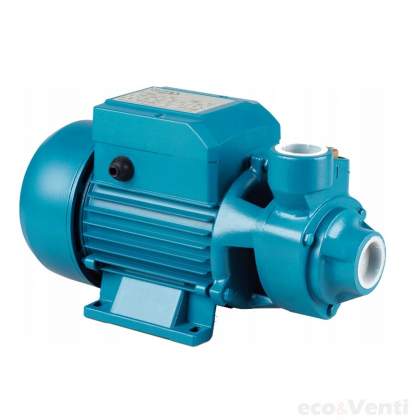
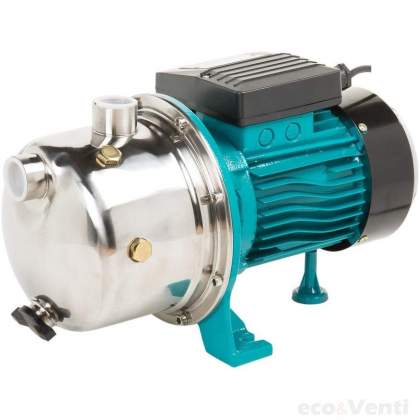
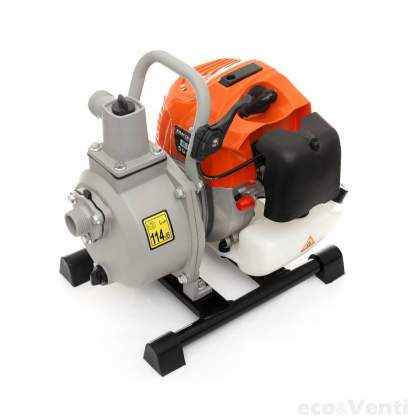
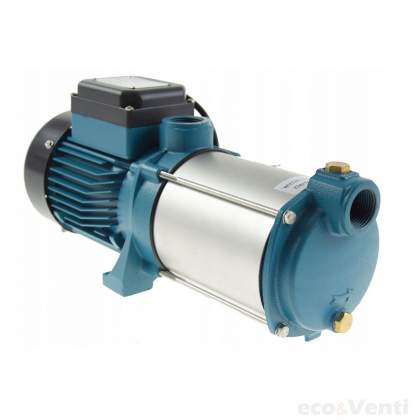
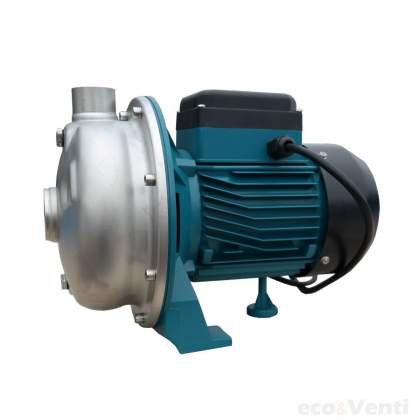
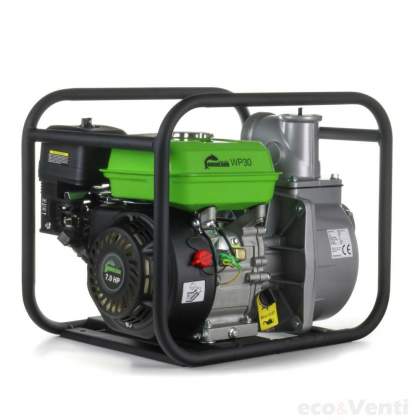
Surface pumps are devices mounted outside the tank and suck water from shallow intakes.Surface pumps can pump water only from a depth of up to 8m. They are perfect for watering gardens, powering home installations or pumping rainwater. Their advantage is easy installation and maintenance - there is no need to immerse them in water. Depending on the model, they can operate with different efficiency and pressure, adapting to the individual needs of the user.

Surface pump types:

  • Single-stage pumps are versatile devices with many applications. Their effectiveness has been confirmed when pumping water, both clean and dirty - it is a liquid with contaminants of various fractions. These pumps can be divided into several basic types. One of them are single-stage centrifugal pumps, where the impeller is placed either traditionally or between bearings. Another type are PJM single-stage monoblock pumps, which are perfect for, among others, in heating and other installations, e.g. industrial.
  • Multistage pumps are the foundation of modern water and technological systems. They are used wherever high lifting height and precise pressure increase are required. Thanks to their complex but optimized structure, high-quality multistage pumps allow for a controlled increase in water pressure while maintaining high efficiency and low energy consumption. This solution is applicable both in industrial systems and in municipal and home systems. The design of multistage pumps includes several impeller stages connected in one body. Each stage is responsible for partially increasing the pressure, which leads to a significant water lifting height.
  • Centrifugal pumps are the most commonly used type of surface pumps. They work on the principle of centrifugal force, where the rotating impeller creates suction in the center, drawing fluid into the pump. The liquid is then discharged through the outlet thanks to the centrifugal force generated by the impeller. Centrifugal pumps are known for their high flow rates and relatively low pressure.
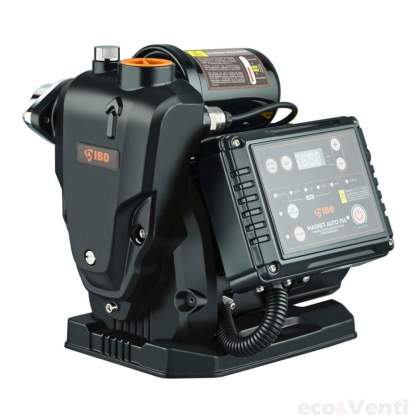
  • Surface pumps with an inverter – The inverter installed in the pump regulates and supplies the appropriate frequency of current to the pump. Thanks to this, the pump operates optimally to the current network demand, as well as in accordance with the pressure value set by the user. If the pressure drops below the set value, the inverter increases the pump speed. When the pressure increases, the inverter causes the speed to decrease.A pump with a frequency converter has many advantages. Eliminates the need to use a hydrophore tank that takes up too much space. Provides constant pressure regardless of water consumption. It ensures no pressure spikes and the so-called water hammer. In addition, it reduces electricity consumption.

Click here for more ...Applications of surface pumps:

  • water supply: Surface pumps are often used in water supply systems, whether for domestic, agricultural or industrial purposes. They are used to pump water from wells, tanks or other water sources to storage tanks or distribution networks.
  • irrigation: Surface pumps play a key role in irrigation systems, delivering water to agricultural fields. These pumps are used to collect water from rivers, streams or wells and distribute it through an irrigation network, enabling effective watering of crops.
  • industrial processes: Surface pumps are used in various industrial processes that require the movement of fluids. They are used in chemical plants, refineries and manufacturing plants to circulate coolant, transfer liquids between different stages of production or supply water for refrigeration purposes.

Appropriate pump size selection ->

Common troubleshooting:Submersible pump common troubleshooting